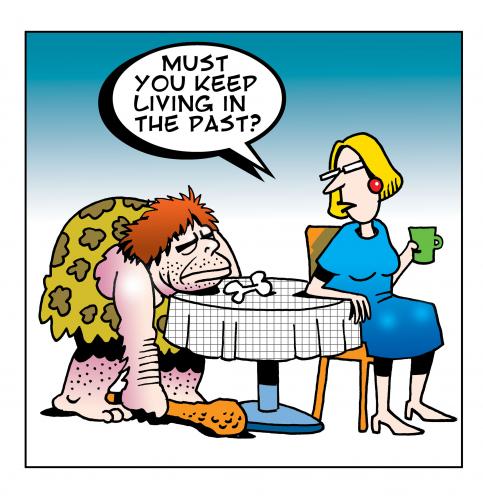
 A couple years ago, I remember speaking to some pastors who each stated that they would love to introduce new recognition into their parishes. However, although each felt they had to educate their parishioners about the importance of recognizing those who passed this way before them, they believed their members were focused too strongly on just living today. They felt their members did not care to learn from the past or wish to think ahead to the future. The pastors wanted to take the steps necessary to change this mentality, recognizing the importance of the effort, but realized people were very fixed in their ways and the change would not happen overnight.
I found similar phenomena when I met with hospital and university administrators and decision makers when I presented the APIOH Donors product. They were very fascinated by the level of appreciation shown through APIOH Donors. However, they had to refocus their mindset throughout their organizations to grasp this new approach to recognition. It is very logical to understand that it is better to appreciate the people who contribute rather than just the gift they are giving. Still, because it isn’t done yet, the transformation had to come slowly.
My initial belief was that this theory of people not being ready yet was just a line they were feeding me to get me off their backs. I wanted to say, “If you don’t want the products, just tell me. Don’t string me along.” However, I have read articles and heard lectures that talk about this very issue. It is a real concern and organizations are making significant headway to overcome this problem.
 I recently spoke to some pastors who told me they are now starting to see progress. Their parishioners are now more interested in how the organizations came to be and whether this generation is properly prepared to receive, carry and pass on the torch. They realize their parents and grandparents worked hard and endured significant hardships to allow their descendents to coast through life. But now with the downturn in the economy, the children can no longer coast and are facing their own uphill battles. They are now ready to learn from the past.
 Other not for profits are starting to realize that they have to connect to their members and patrons in a way they had not had to for some time. For a time, reaching out to their communities for funding was not based on making any connection with them. There was little they had to provide to elicit a contribution from their donors. People had what to give and the organizations were only too happy to take. Now, without making a connection with their constituents, people have to be much more selective with their funds and their time.

It is too early to know whether the connections with our past and future that organizations are starting to desire is based on a societal acceptance of our true recognition needs or if it is just an anomaly associated with the present economic situation. Regardless, the organizations understand more clearly than ever that not only must we list in name the contributors of the past, but we have to share in and learn from their actions. Not only are we ready for this change, it is imperative if we want the next generations to grow from the events that shaped our lives and the lives of our progenitors.